Lunarin Chinese Monogram: A Decorative Typeface for Editorial Elegance
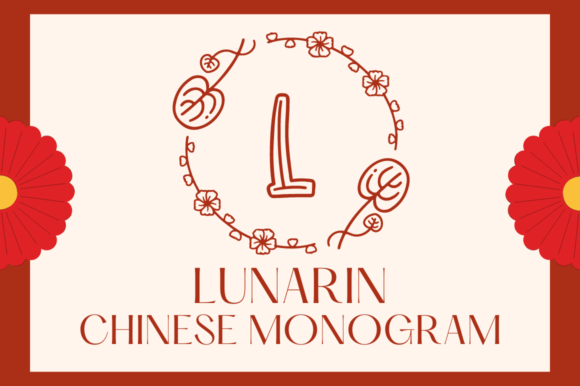
Typography is more than just text—it’s the visual heartbeat of a publication. When it comes to crafting content that feels both culturally rich and editorially strong, choosing the right font can elevate your message in subtle yet powerful ways. Lunarin Chinese Monogram is a decorative typeface that brings the beauty of traditional Chinese botanical motifs into modern editorial design. Inspired by intricate plant patterns from Chinese culture, this font adds an artistic touch while maintaining enough clarity to serve as a functional display type. Whether you’re designing a digital magazine cover, a printable planner, or a quote graphic for social media, Lunarin Chinese Monogram offers a unique opportunity to blend cultural symbolism with typographic appeal.
Visual Characteristics and Style
Lunarin Chinese Monogram is not just any decorative font—it’s a carefully crafted typeface that marries ornate details with readability. Each character features delicate strokes reminiscent of calligraphic traditions, but with a refined structure that makes it suitable for editorial use. The monogram style suggests a sense of unity and elegance, making it ideal for headers, titles, and other display elements where visual impact matters most. While it may not be suited for long-form body text, its expressive nature shines in short bursts of text, such as pull quotes, chapter openers, and branding elements.
The personality of this font leans toward sophistication and celebration—perfect for projects tied to events like the Chinese New Year, wedding guides, or luxury brand identities. Its stylized forms evoke a sense of heritage without feeling outdated, allowing it to work well in contemporary layouts that still want to honor traditional aesthetics.
Use Cases in Editorial Design
Here are some practical applications of Lunarin Chinese Monogram across different publishing platforms:
- Blog Headers: Use it for blog post titles to add a distinctive flair. It works especially well in lifestyle blogs focused on wellness, travel, or seasonal themes.
- Magazine Covers: Create eye-catching covers for niche publications by incorporating the font into titles or taglines. Pair it with high-quality imagery for contrast.
- Ebook Titles: Ideal for recipe books, cultural guides, or curated content with a festive or celebratory tone. The font can make your title stand out while signaling thematic intent.
- Newsletter Graphics: Add visual interest to your newsletter by using Lunarin Chinese Monogram in header sections or special promotions. It helps break up dense text and draws attention to key messages.
- Quote Layouts: This font enhances the visual weight of quote graphics. Its elegant curves and structured forms make it perfect for centerpieces in social media posts or lead magnets.
- Printable Guides and Workbooks: Use it sparingly for section headings or decorative accents in coaching workbooks, planners, or educational materials. It adds a layer of creativity without compromising usability.
Supporting Visual Hierarchy and Brand Identity
In editorial design, typography plays a crucial role in guiding the reader’s eye and reinforcing the publication’s identity. Lunarin Chinese Monogram contributes to visual hierarchy when used in titles, subheaders, or accent typography. Because of its bold, decorative presence, it naturally commands attention, making it excellent for highlighting key sections or drawing focus to important ideas.
When building a publication’s brand identity, consistency is key. While Lunarin Chinese Monogram is best reserved for display purposes, it can become part of a cohesive visual system if paired thoughtfully with a more neutral typeface for body text. For instance, combining it with a clean sans serif font in captions or navigation ensures legibility and maintains balance. Similarly, pairing it with a readable serif typeface for longer passages allows the decorative font to shine without overwhelming the reader.
Font Pairing Suggestions
To achieve a harmonious layout, consider these font pairings with Lunarin Chinese Monogram:
- Serif Fonts: A classic serif font like Georgia or Merriweather complements the ornate feel of Lunarin Chinese Monogram. These combinations work well for printables, magazines, and guides.
- Sans Serif Fonts: For digital publications or minimalist designs, a modern sans serif like Lato or Open Sans creates a sharp contrast. This pairing is great for newsletters and web-based content.
- Script Fonts: If you're going for a more expressive look, pair it with a complementary script font like Great Vibes or Allura. However, keep the script font usage limited to small touches to avoid visual clutter.
Readability Across Platforms
While Lunarin Chinese Monogram is primarily a display font, its design considers modern publishing needs. Here’s how it performs across various formats:
- Screen Reading: The font renders well at larger sizes on digital screens, especially when used in headers or accent text. Avoid using it at smaller sizes where its detailed strokes might become difficult to read.
- PDF Exports: High-resolution exports preserve the fine details of the typeface, ensuring it looks crisp and professional in downloadable guides, e-books, and client-facing documents.
- Mobile Layouts: As long as it's sized appropriately, the font remains legible on mobile devices. Test how it appears on different screen sizes before finalizing your design.
- Print: The font’s organic feel translates beautifully to print. It’s particularly effective in premium publications where visual texture and depth matter.
Design Examples to Inspire You
Let’s explore a few scenarios where Lunarin Chinese Monogram could enhance your work:
- Lifestyle Blog: Feature it in a seasonal article about Lunar New Year traditions. Use it for the main heading and include a subtle botanical illustration to echo the font’s inspiration.
- Recipe Ebook: Apply it to the title page and chapter headings. Imagine a cover with “Lunar Noodles & Mooncakes” styled in Lunarin Chinese Monogram against a backdrop of cherry blossoms or bamboo.
- Wedding Guide: Incorporate it into headings for sections like “Cultural Traditions,” “Gift Etiquette,” or “Feng Shui Tips.” It adds a touch of sophistication and uniqueness to the overall design.
- Coaching Workbook: Use it for section dividers or motivational pull quotes. The font’s decorative style can signal a shift in tone or emphasize key insights.
- Digital Magazine: Let it headline a feature on East Asian art and design. It supports a thematic narrative and gives the layout a fresh, creative edge.
- Printable Planner: Apply it to monthly calendars or goal-setting pages. It brings warmth and character to what could otherwise be a utilitarian format.
- Creator Newsletter: Style your subject line or featured section with this font to create curiosity and visual engagement. Readers will notice the difference and remember your brand.
Commercial Licensing and Practical Considerations
Before integrating Lunarin Chinese Monogram into your commercial projects, ensure you have the appropriate license. Many premium fonts offer specific rights for use in paid publications, templates, and digital downloads. Check whether the font license permits embedding in PDFs, use in web fonts, or redistribution through design assets like printables or lead magnets.
If you plan to use it in logo design, packaging design, or web design, confirm that the license supports those uses. Some decorative fonts come with restrictions, so understanding the scope of your permissions is essential to protect your work and stay compliant.
Exploring Included Styles and Alternates
Many decorative fonts offer variations such as weights, ligatures, or alternate characters to expand their versatility. If available, check whether Lunarin Chinese Monogram includes stylistic alternates or swashes that allow for even more customization. These options can help you tailor the font to match your project’s tone and aesthetic more precisely.
Additionally, consider multilingual support if your audience spans multiple regions or languages. Some versions of decorative typefaces may lack full language coverage, which could affect accessibility and inclusivity in international publications.
Conclusion
Lunarin Chinese Monogram is more than just a decorative font—it’s a bridge between tradition and modernity, offering editorial designers a tool to infuse cultural richness into their work. Whether you're creating a themed gift guide, a holiday newsletter, or a luxury brand identity, this typeface provides a unique way to capture attention and communicate style. Used wisely, it enhances visual storytelling, strengthens brand identity, and supports the overall reading experience without sacrificing clarity.
So next time you’re looking for a creative font to add depth and personality to your publication, consider Lunarin Chinese Monogram. Its botanical roots and elegant form make it a standout choice for anyone who values both design and function in their editorial creations.